Project Brief

Redesign the AICPA website to be more user-friendly, AI enhanced, and in alignment with the quality and sophistication of the Aon brand.

The website should provide a straightforward functional experience that acts as an extension of Aon’s corporate offering of products and services, and offers customers the ability to unlock the full spectrum of power that comes with AICPA coverage.

Goals of the feasibility study

  • Aesthetic overhaul
  • Focus on the “How” rather than the “What”
  • Nail the basics (stick to a tried-and-true approach)
  • Strategically differentiate - Brand differentiation
  • Appeal to Gen X and Millennials
  • Set the stage for future redesigns

01

Kick off

Connecting with Process Partners; Understanding the brand better

1-day (6 hours) in-person workshop with executive stakeholders @ AON office

ACTIVITIES:

Goal Alignment
Engagement Plan / Approach
Existing Assets
User Research Approach
(identifying user groups, research findings, etc.),
Stakeholder mapping, Stakeholder schedule

OUTPUT :

Executive Summary
Research Approach
User Research Findings
Identify Personas
Project Plan
Workshop Activities

02

Discovery
& Strategy

Research & Insight

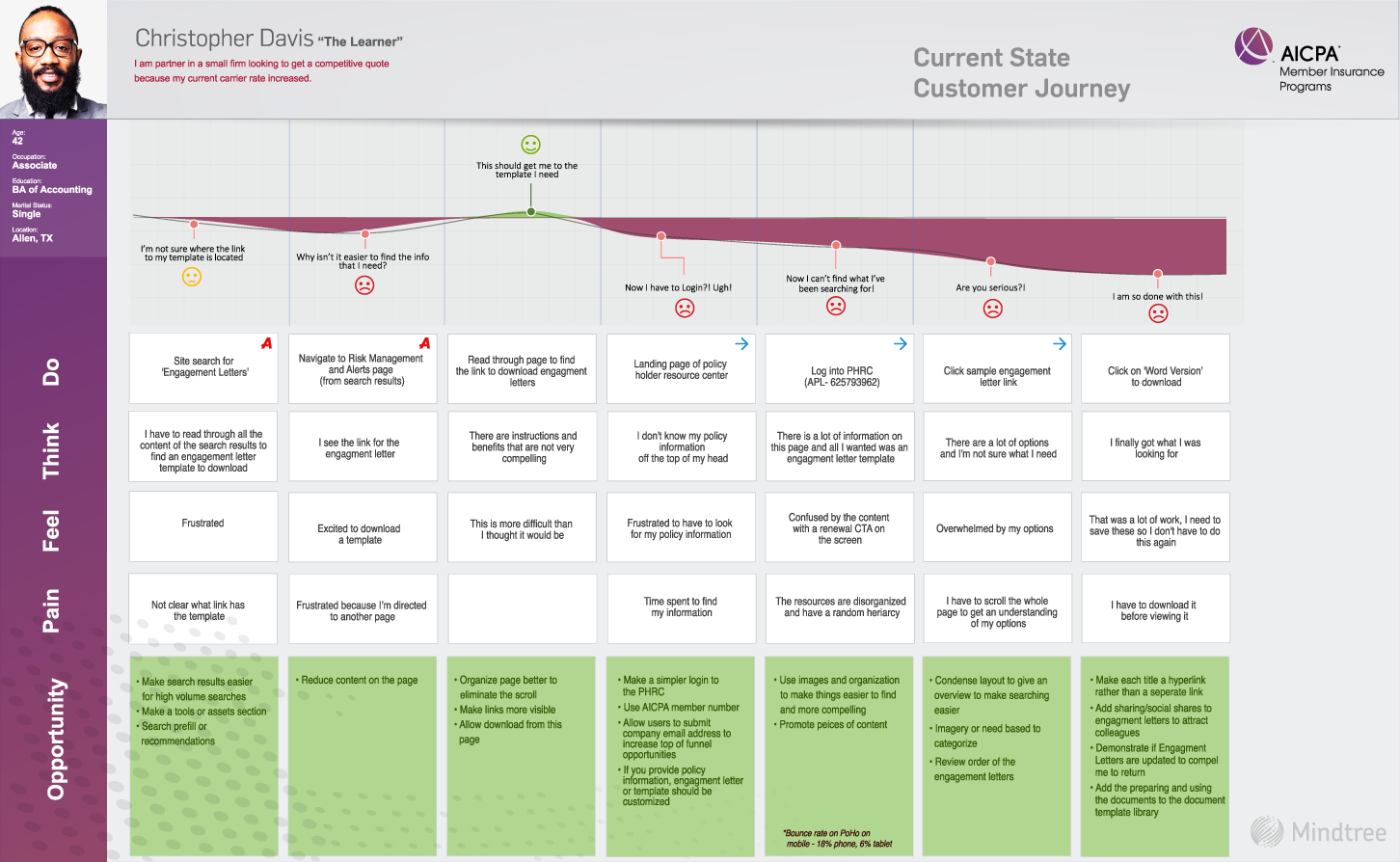
Human-centered research examined motivations, journeys, processes, and pain points. The findings helped validate assumptions and establish a foundation for the project’s strategic and design decisions.
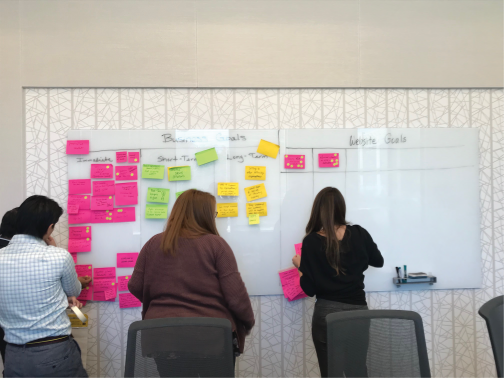
BUSINESS GOALS:
A.
Achieve $40.4M in Total Revenue
B.
Build Connected Sales Processes Powered by Journeys
C.
Ensure Operating Excellence and Member Satisfaction
D.
Grow Level of New Customer Acquisition
E.
Build Connected Sales Processes Powered by Journeys
USER INTERVIEWS:
  • Validate Personas and Journeys
  • Learn CPA’s purchasing needs and behavior
  • Find products, fit products, critical path to purchase
  • Understand the role of education
COMPETITIVE RESEARCH
  • Understand your competitor’s strengths and weaknesses
  • Analyze broader industry and disruptor shifts
  • Identify UX trends across the personal and professional insurance
STAKEHOLDER WORKSHOPS:
  • Define and validate business problems and goals
  • Understand existing and future KPIs
  • Co-select and co-design client archetypes, target customers, personas, and key journeys
  • Understand technical capabilities (e.g. Salesforce)
  • Elicit segmentation and product compatibility
  • To identify what features the workshop team expected to be included
  • To identify features to help remediate or reduce pain points and user challenges
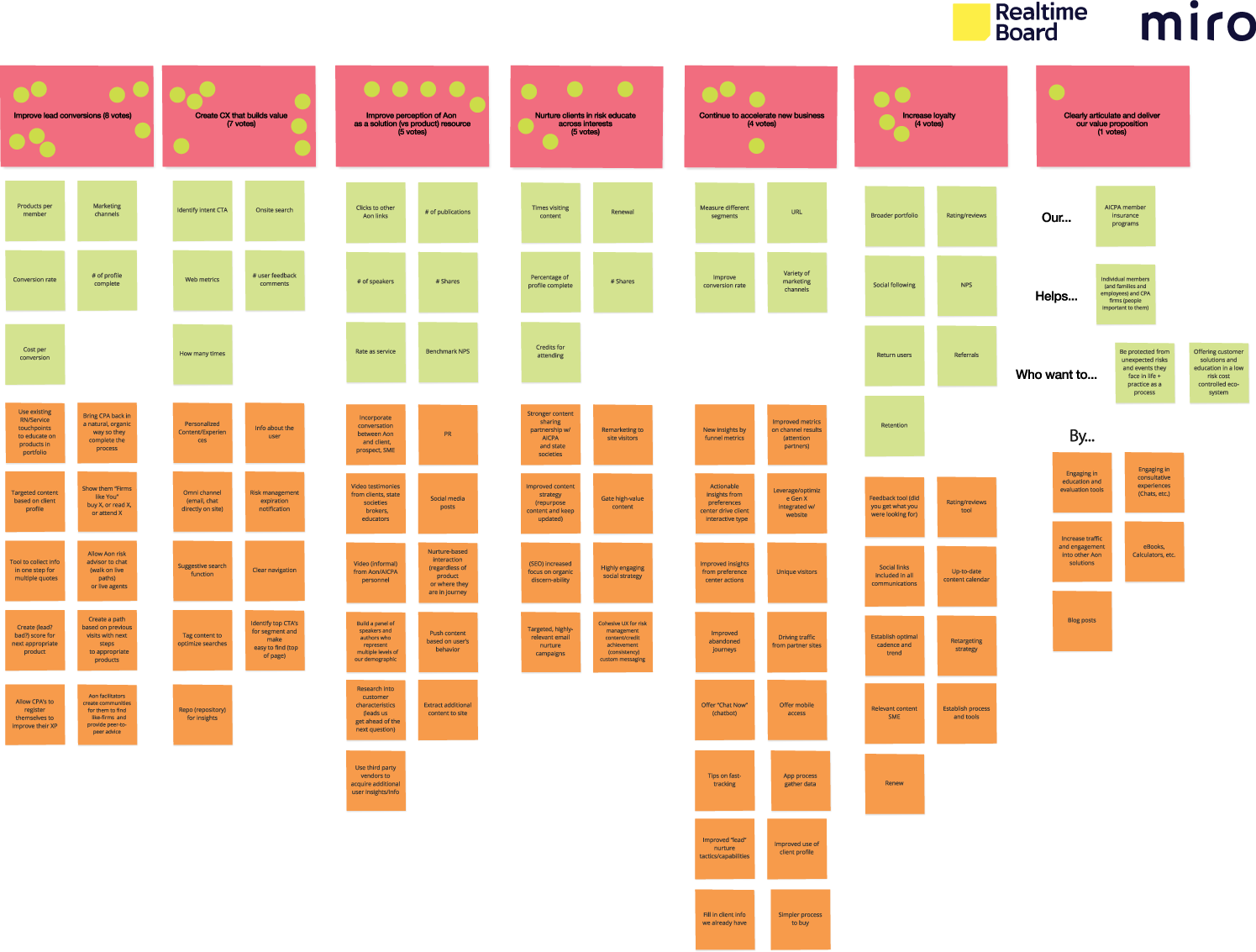
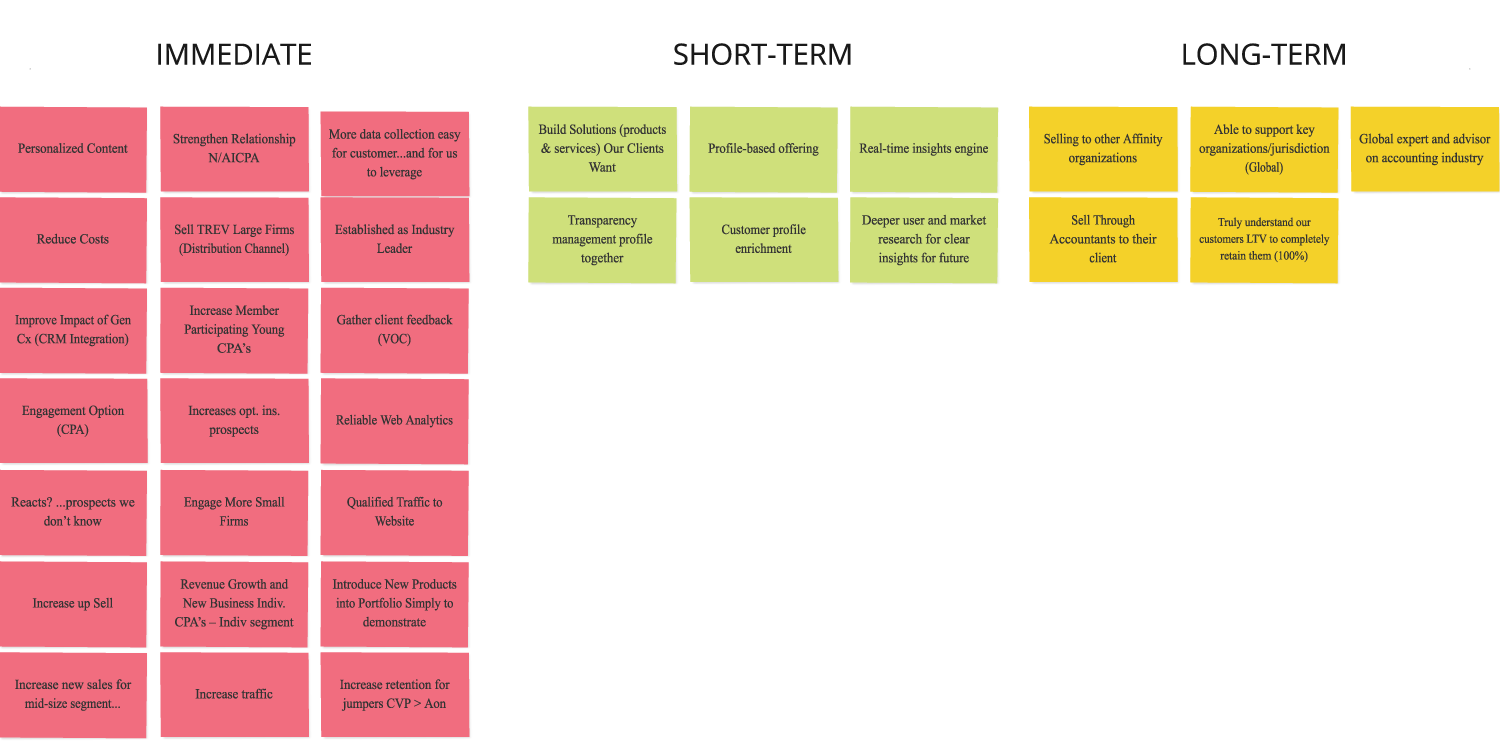
  • To adequately address immediate, short-term, and long-term business goals

Website Goals

Business Goals

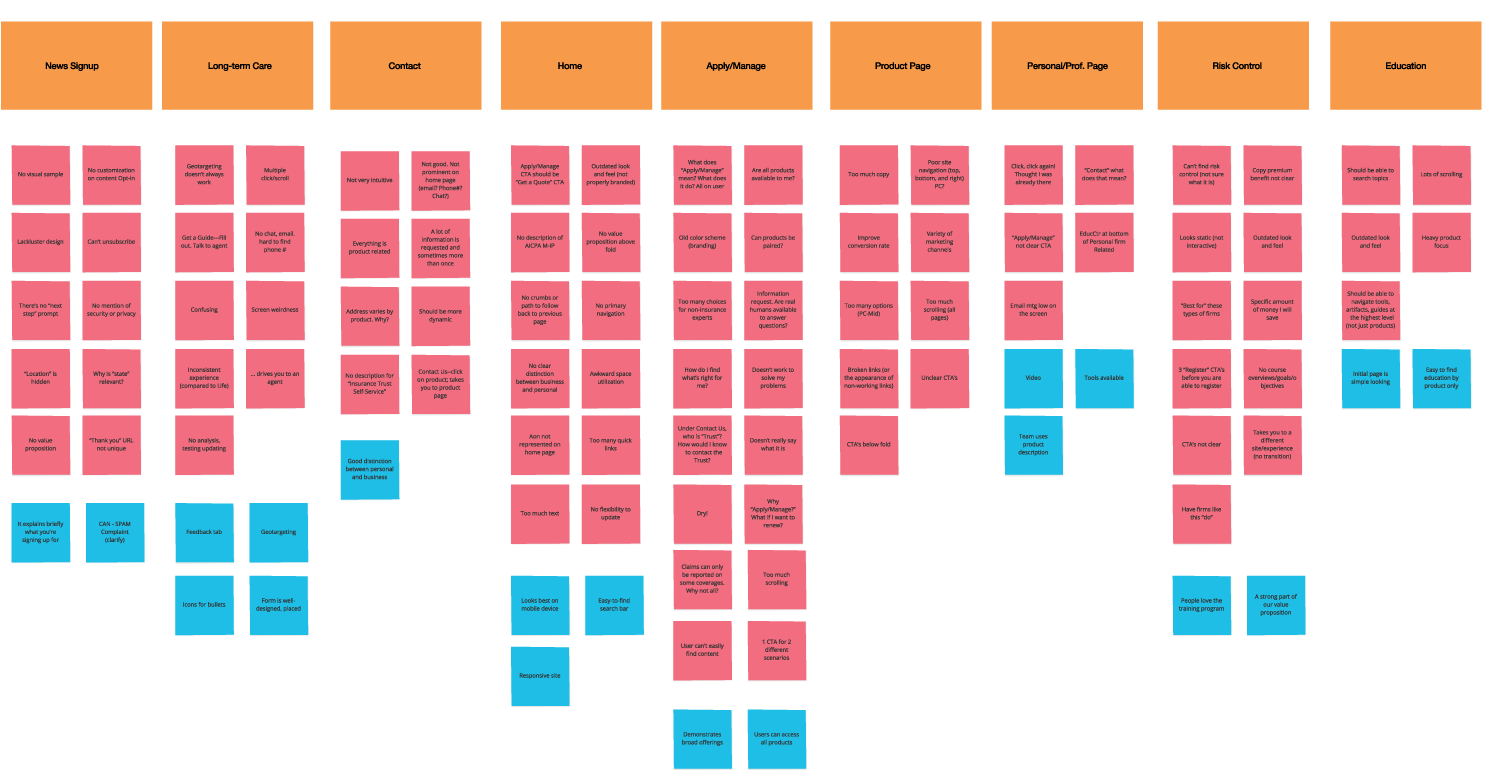
Website Critique

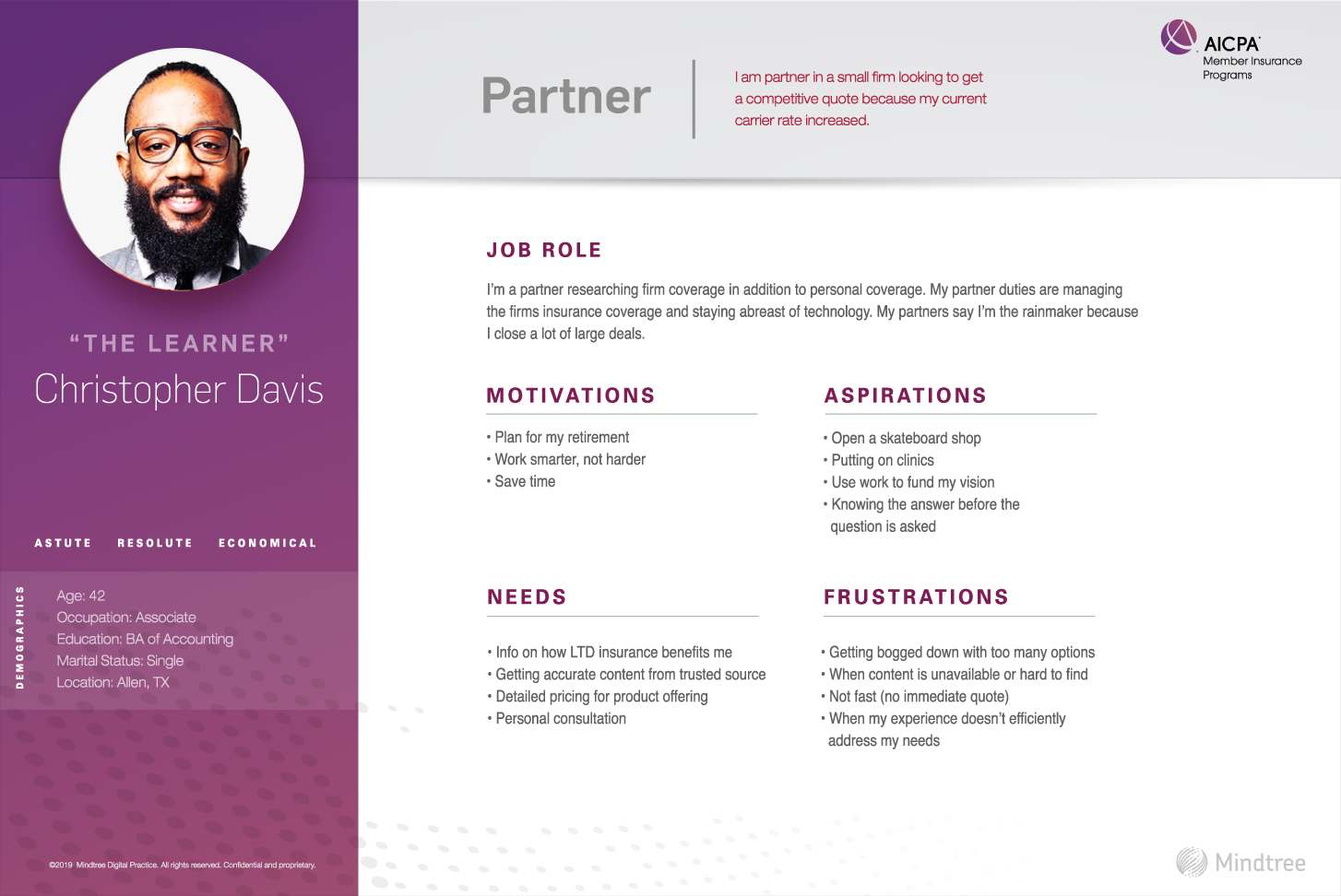
User Persona (1 of 6)

User Journey (1 of 6)

03

Ideate

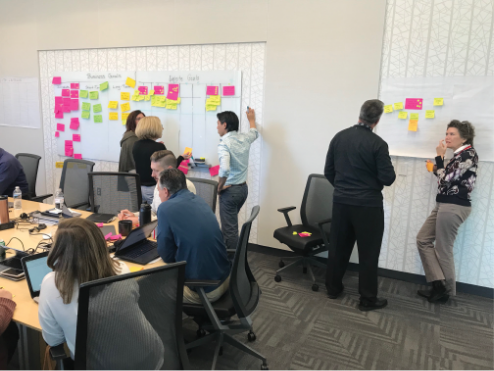
Design Thinking Workshops with Stakeholders

Whiteboard exercises helped the project team identify 10 final-state key stories.


01
Logged In Experience
02
Personalization
03
Salesforce Integration
04
Simplified Path to Purchase
05
Provide Price Quote or Indication
06
Consultative Experience
07
Improved Contact Channels
08
Social Proofing
09
Reusable Framework
10
Custom Content

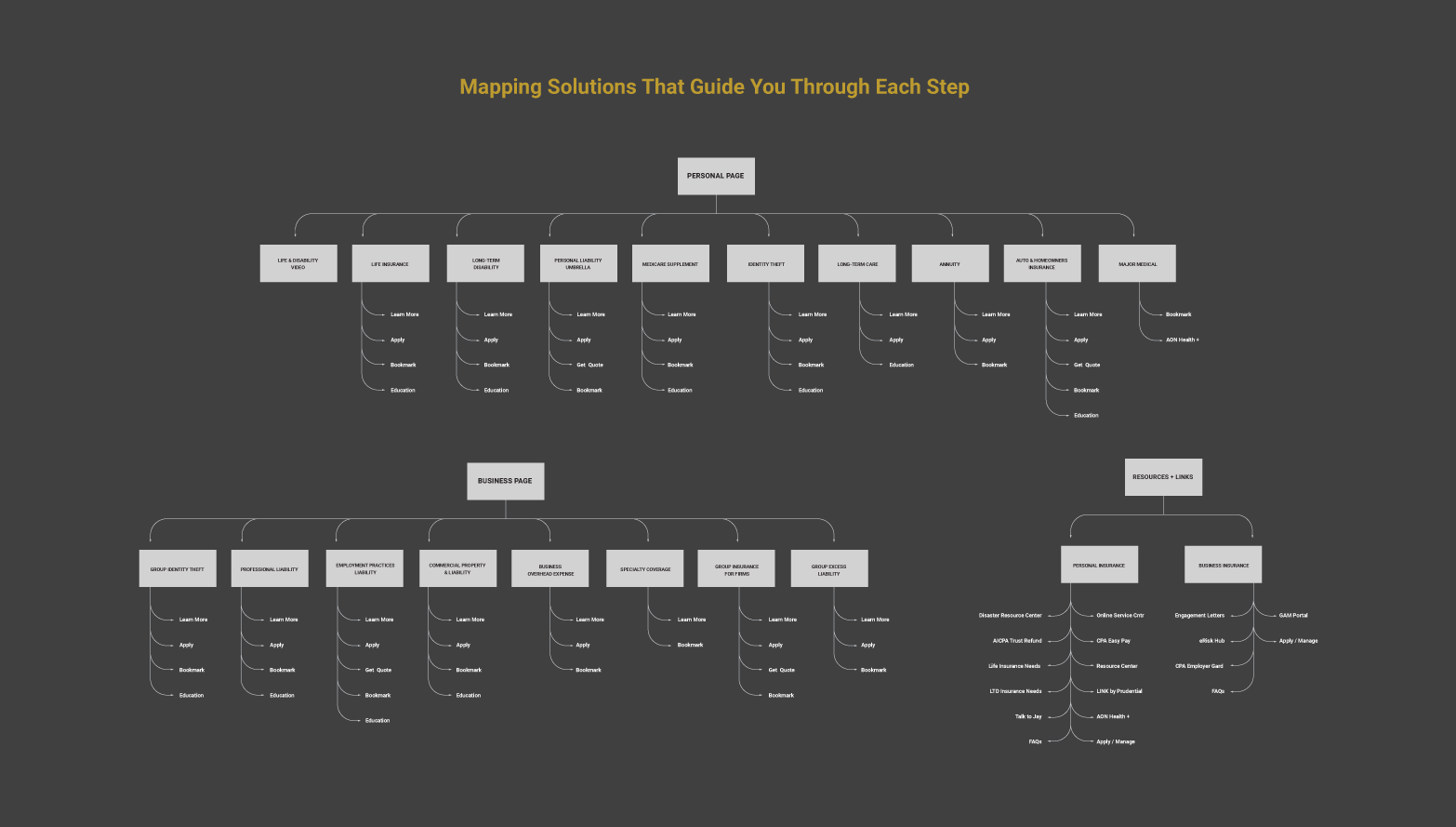
The next step focused on information architecture and taxonomy.
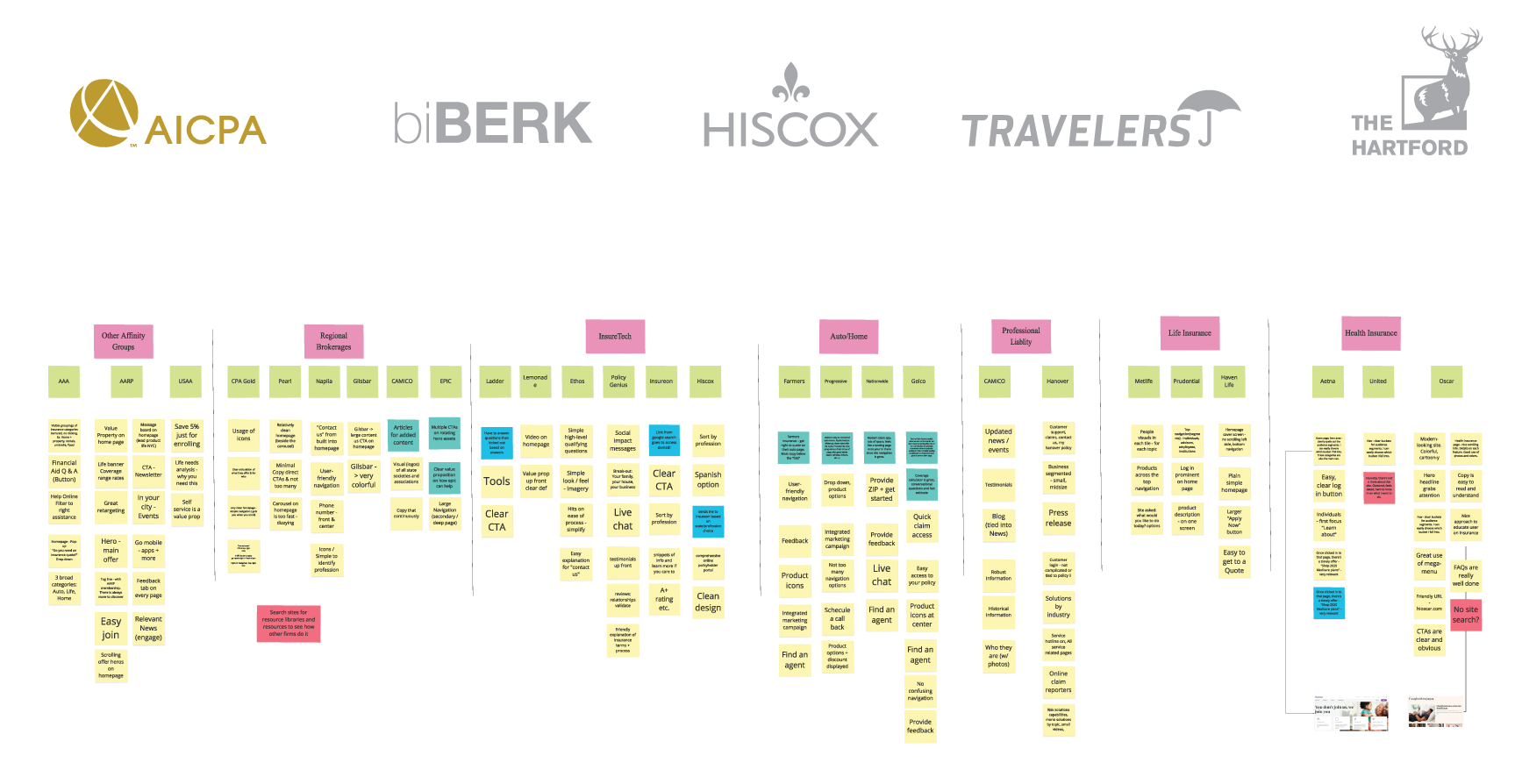
Competitive analysis established a benchmark and clarified the product’s position in the marketplace.
04

Design

Time to Design. Umm-hmm!

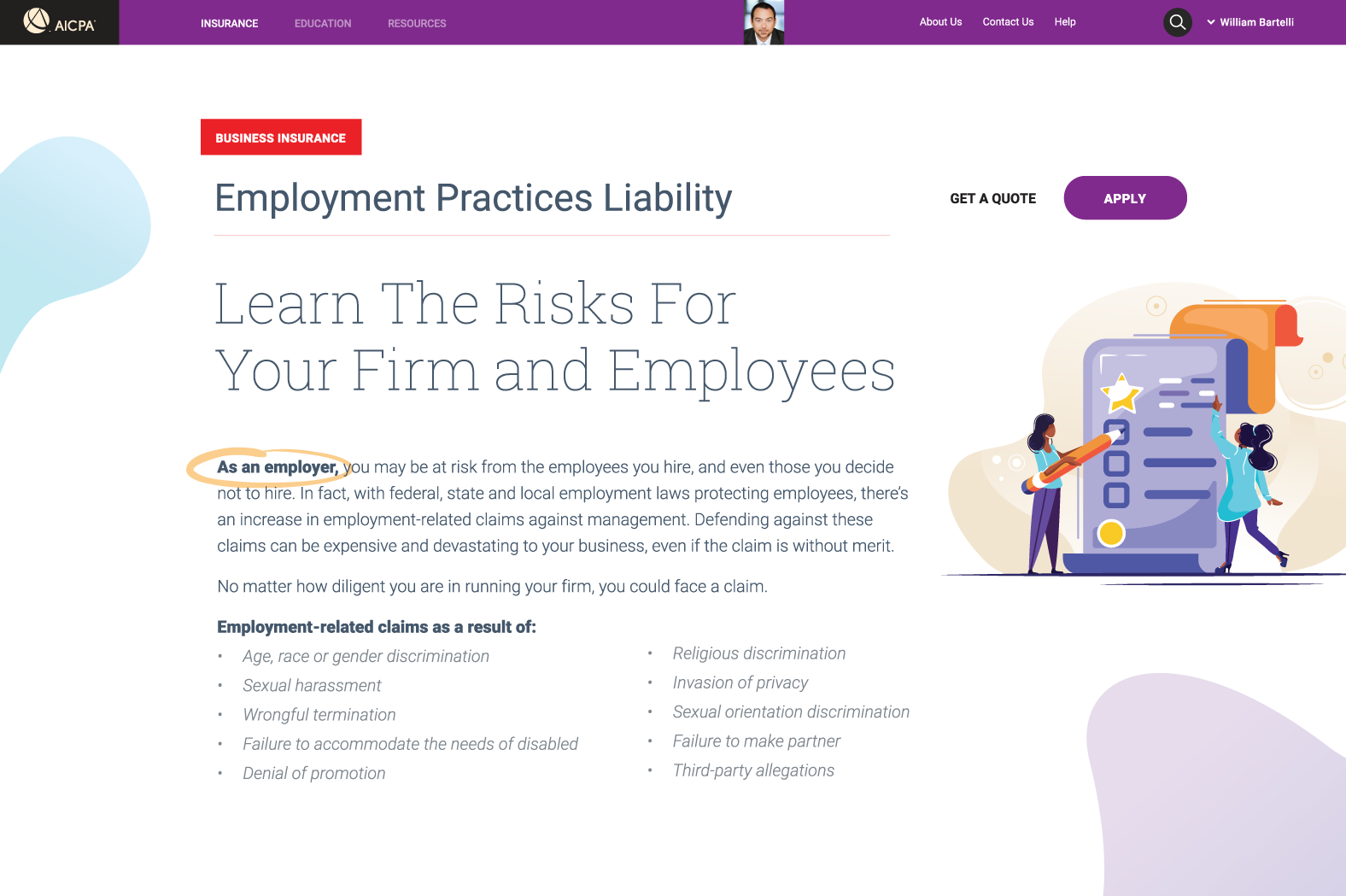
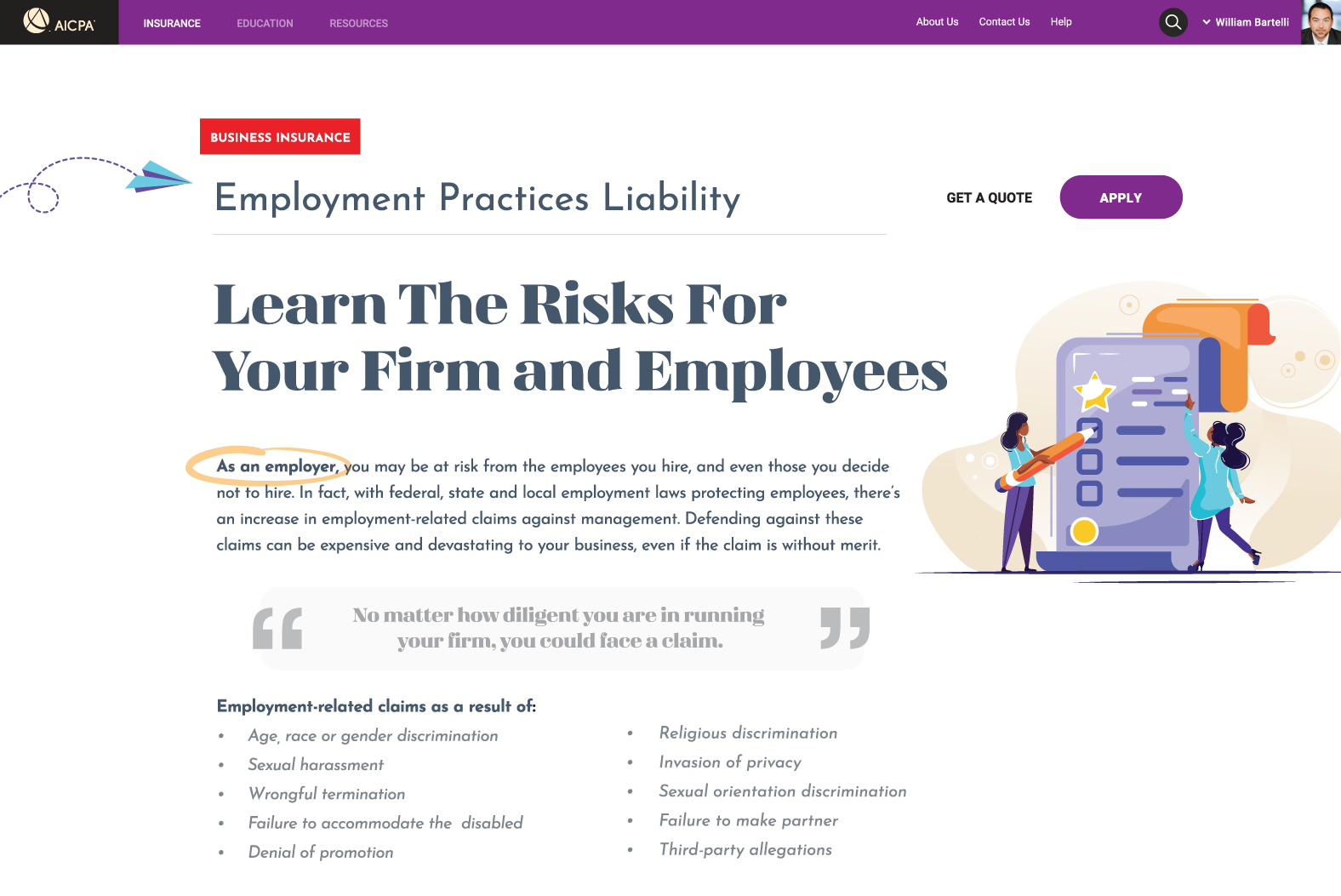
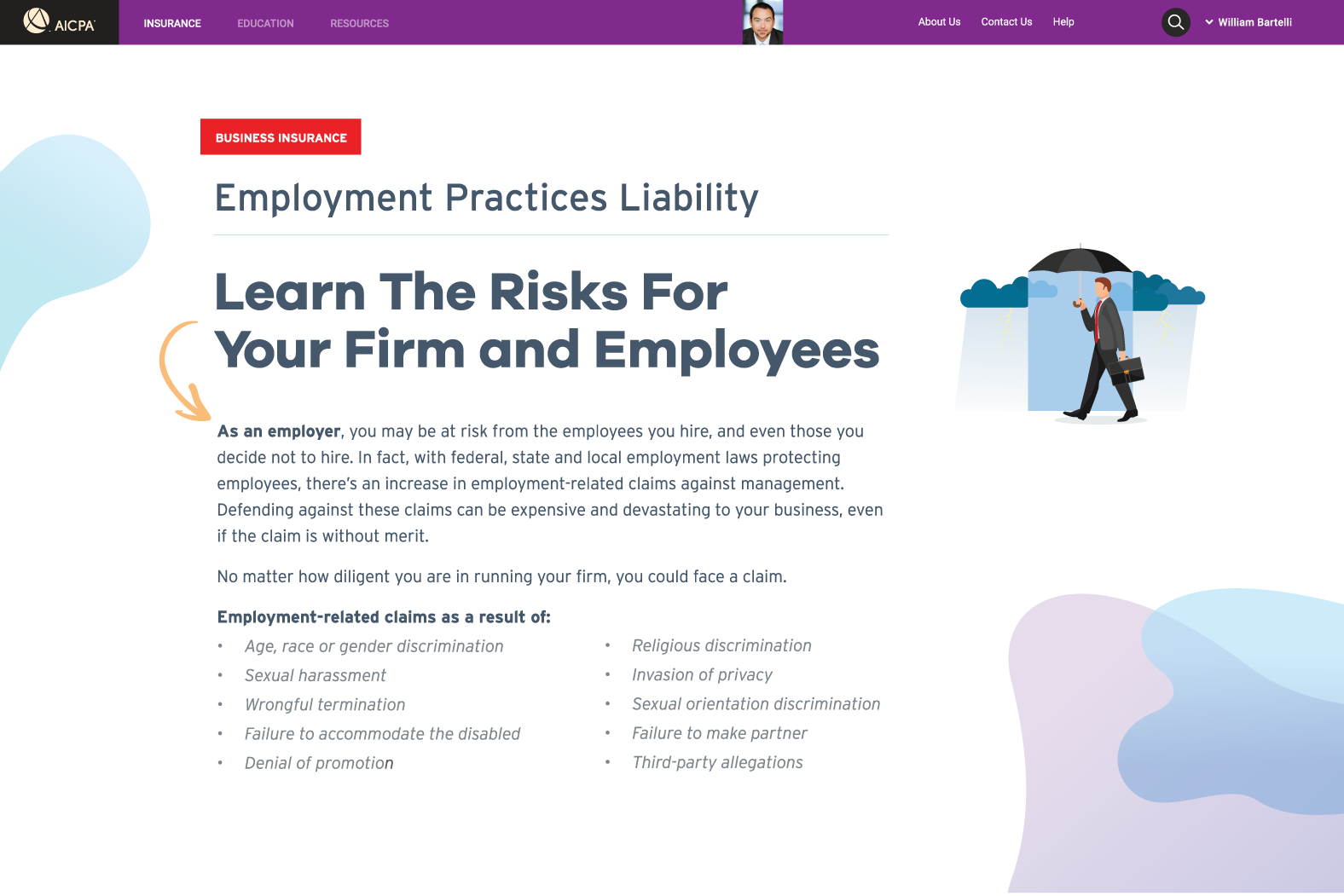
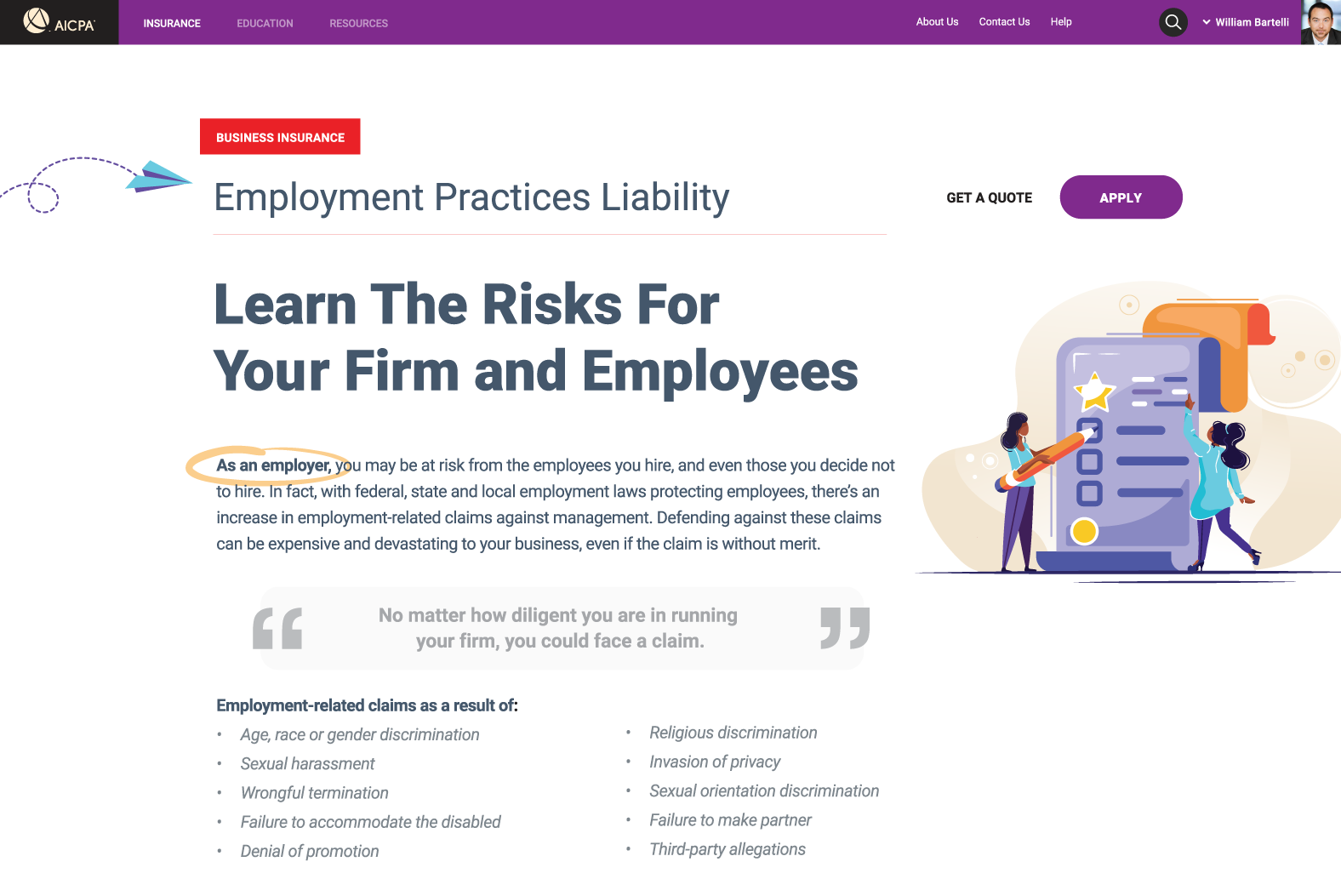
Stakeholder whiteboarding explored different visions for the landing page and helped align the team around the product’s direction.
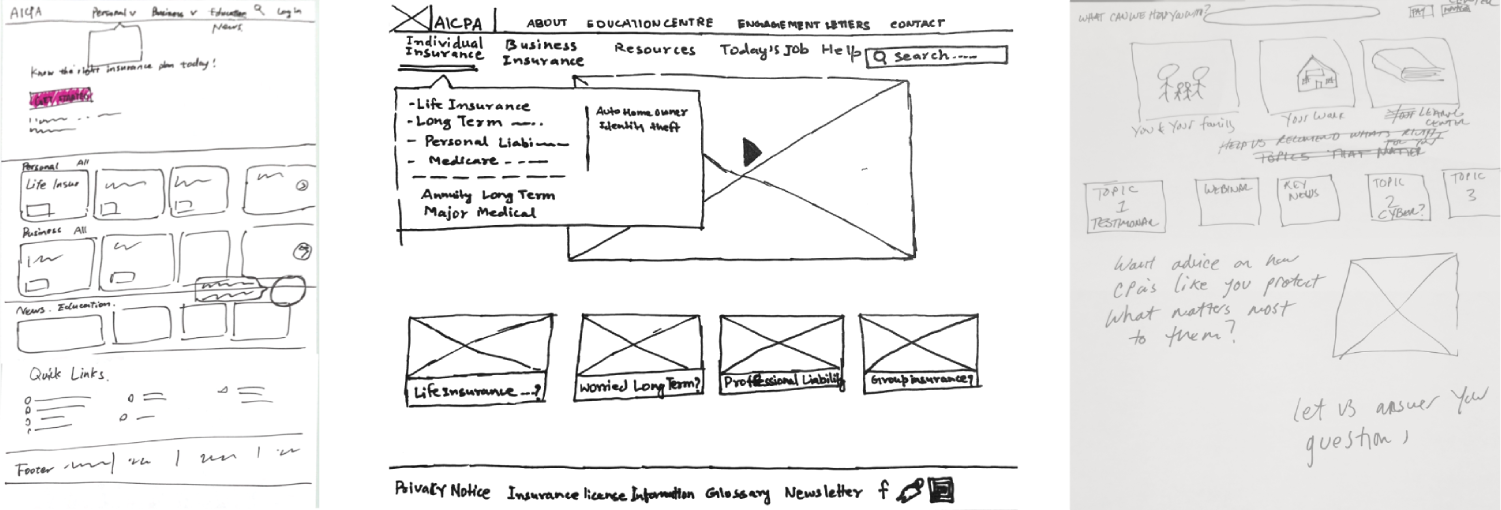
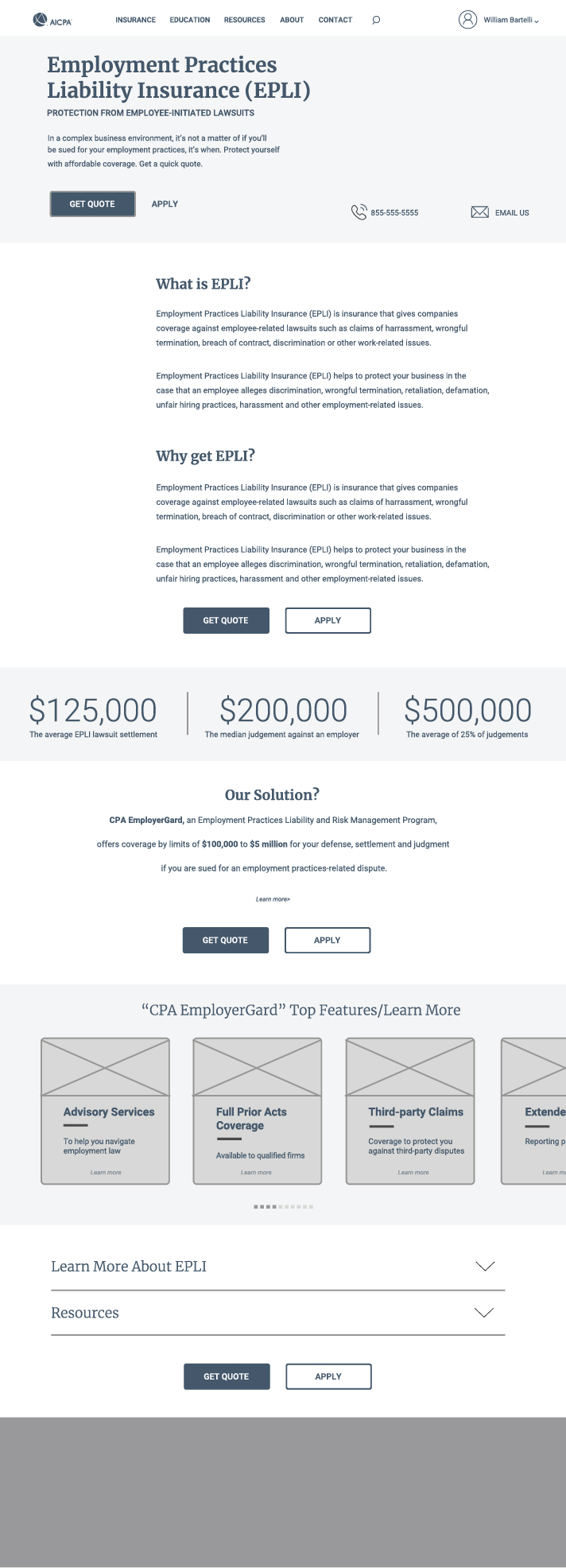
Refining the vision

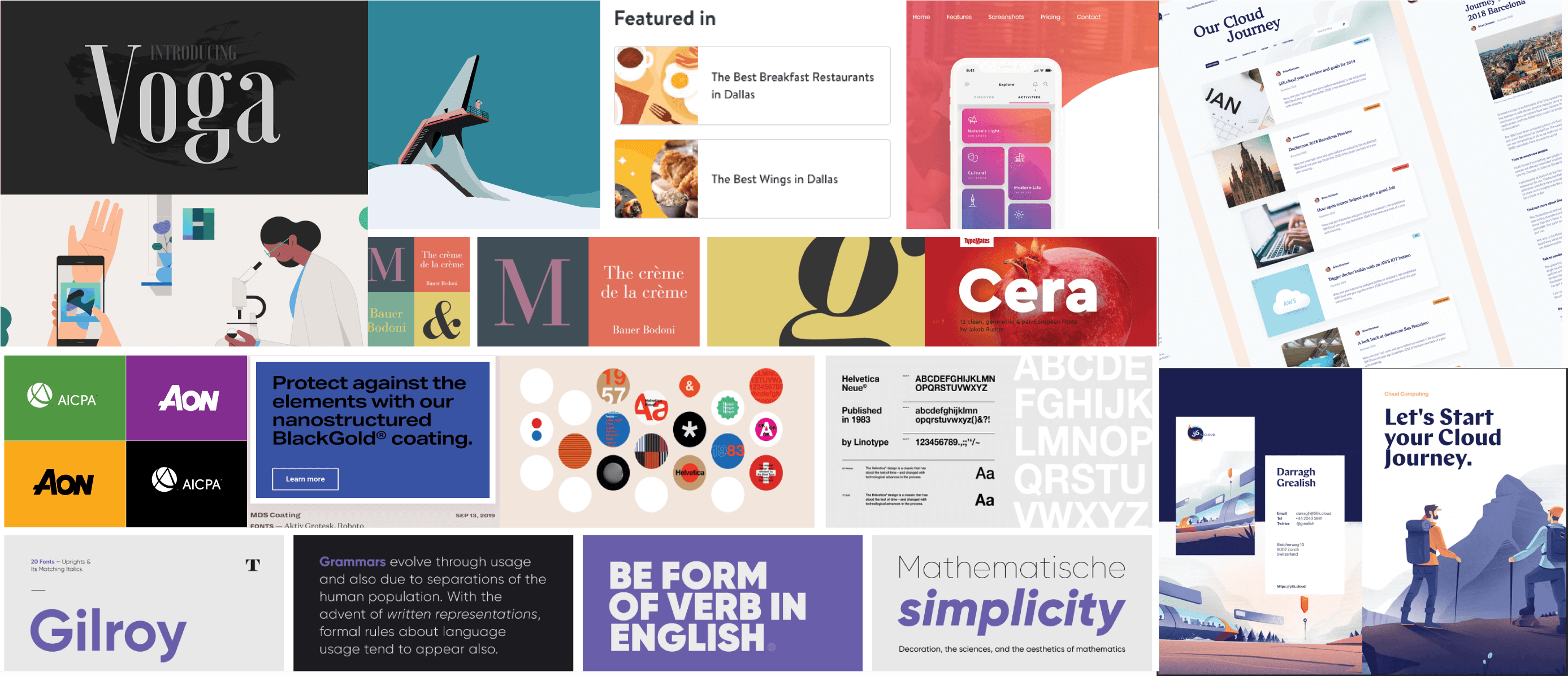
Inspiration Board

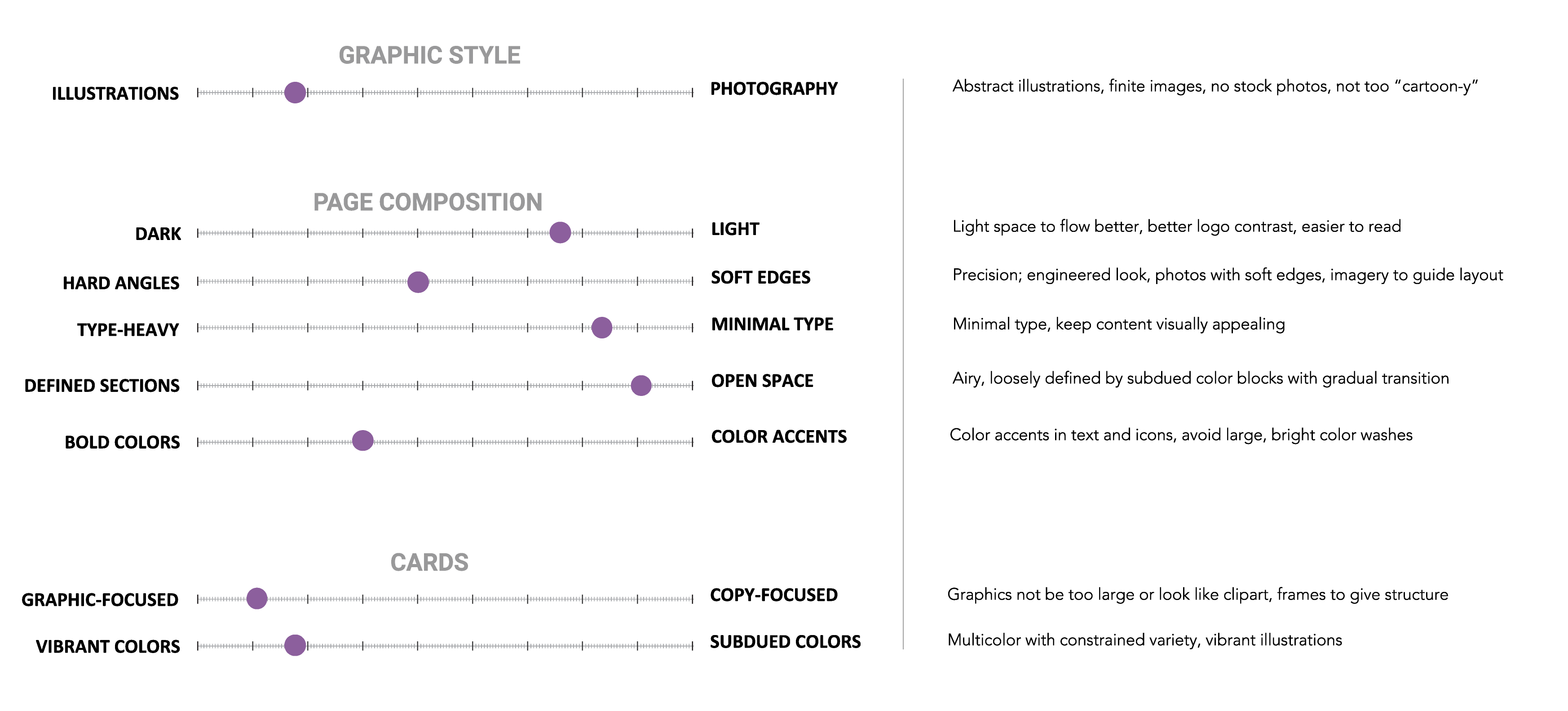
Setting The Mood With Form, Type, Color, and Composition


Color Exercise
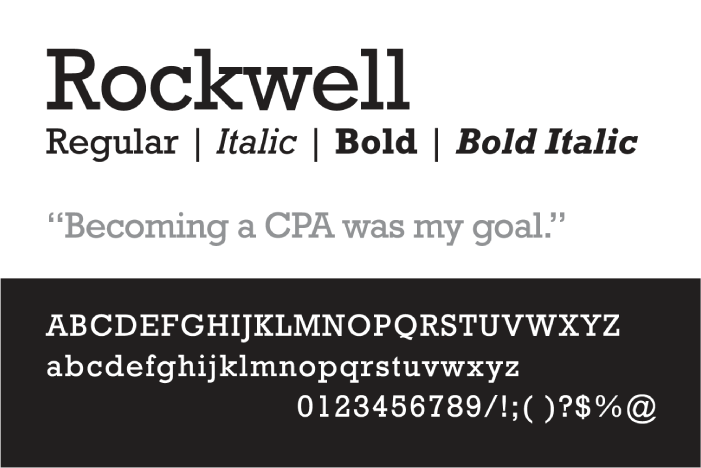
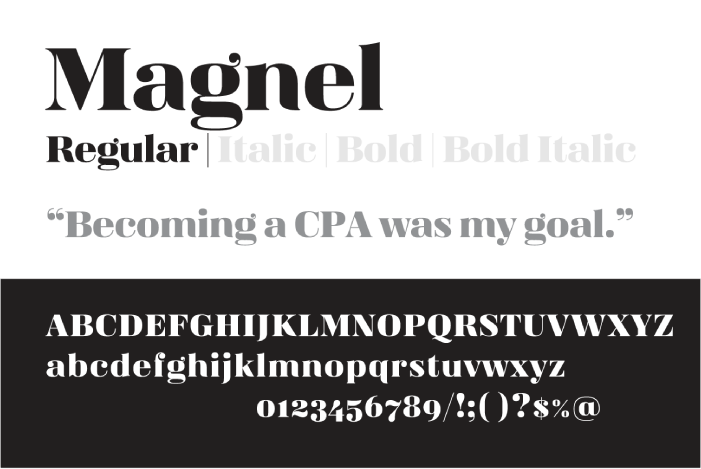
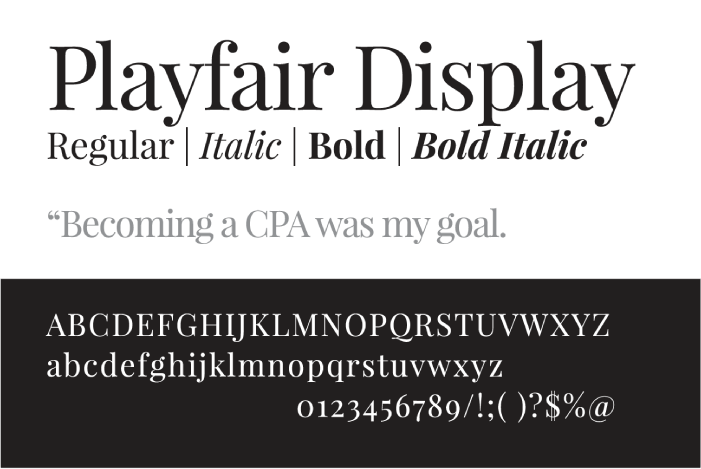
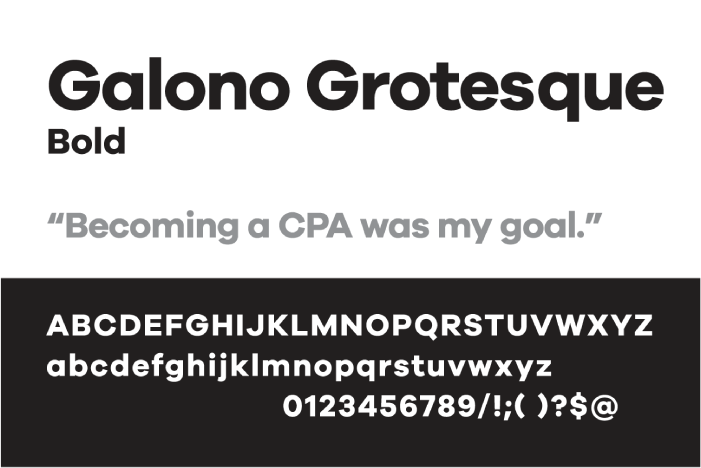
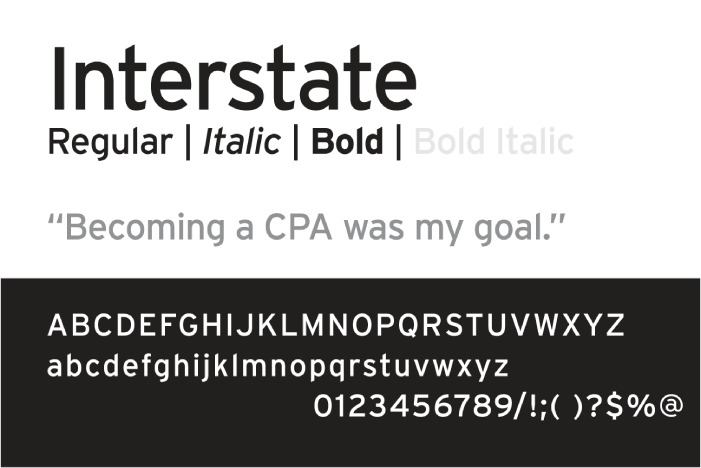
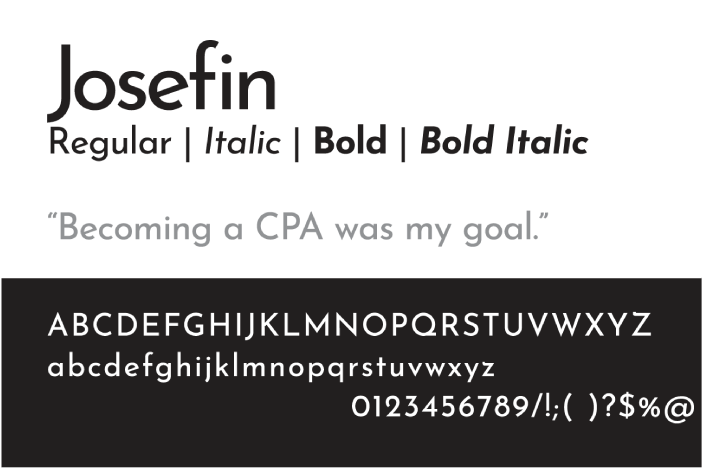
Type selections
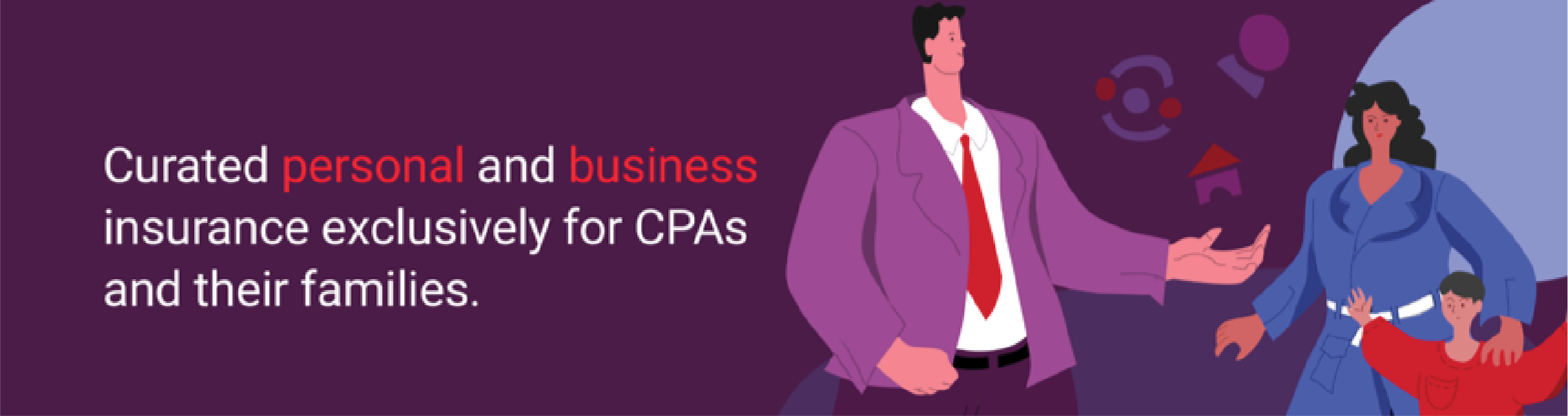
Illustration Technique
Type Treatments
Card Treatments
Iconography

05

Validate

Will your new website produce an increase in conversions?

Usability testing put the interface in front of more than 20 users performing realistic tasks. Their feedback helped the project team refine the initial design concept.

06

Delivery

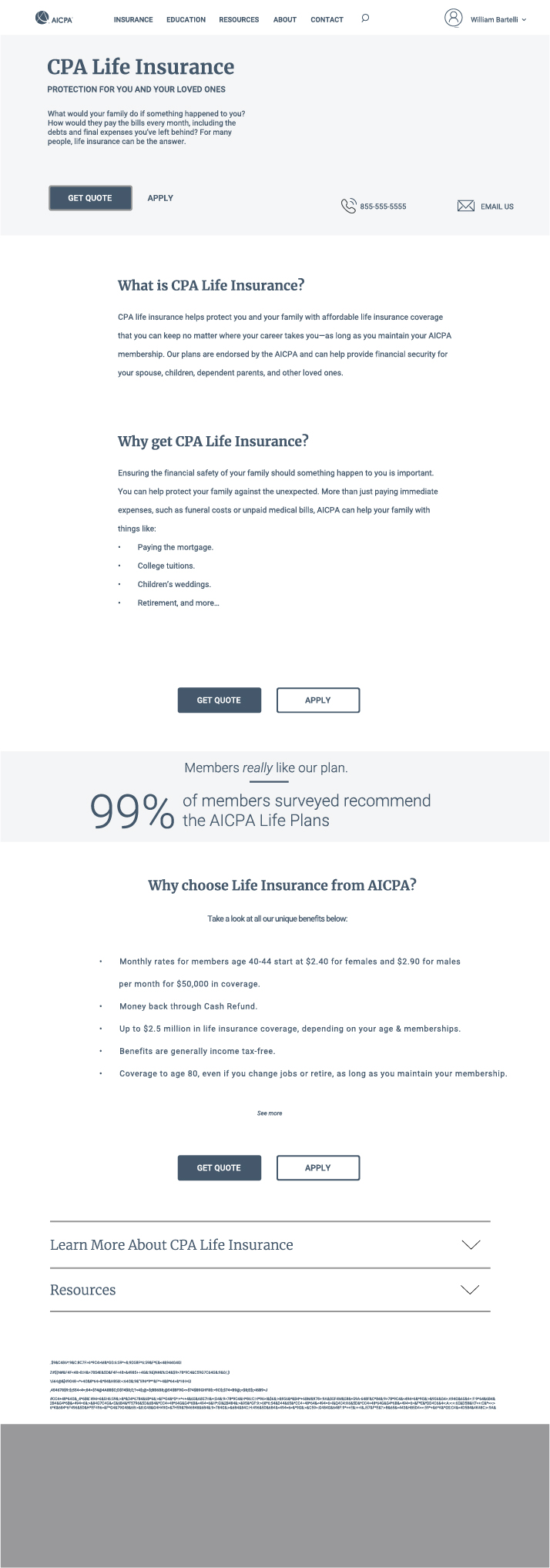
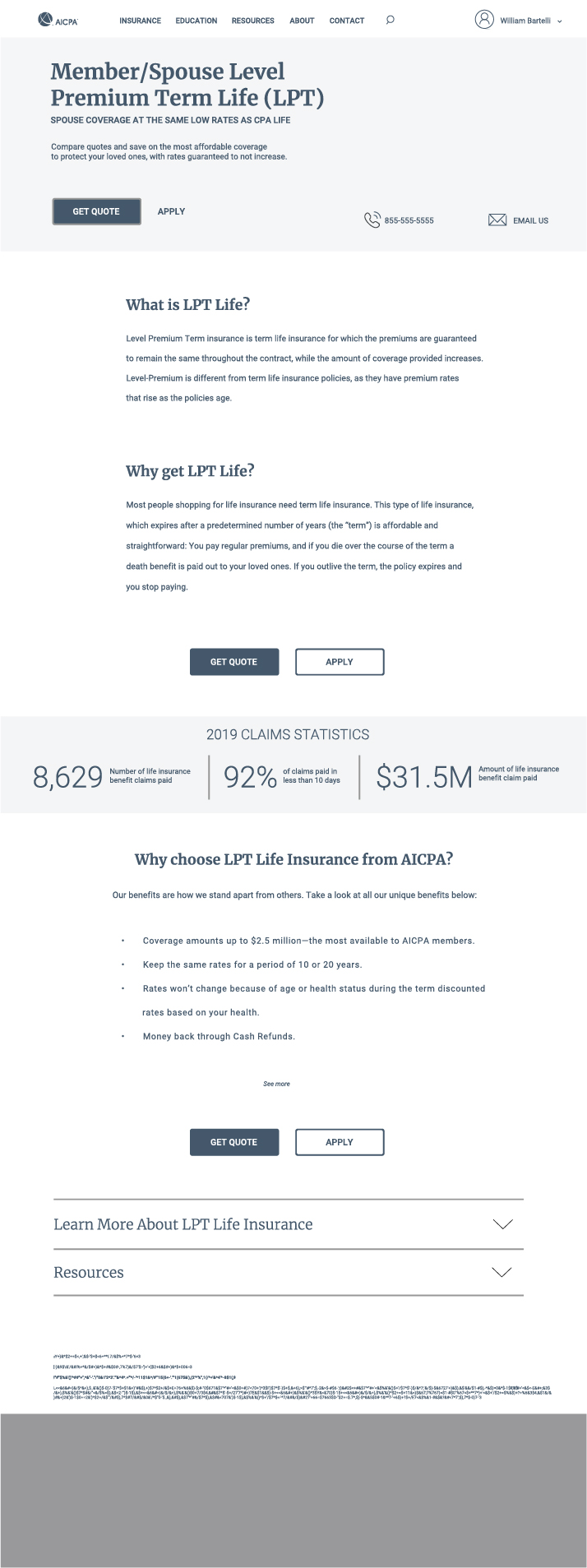
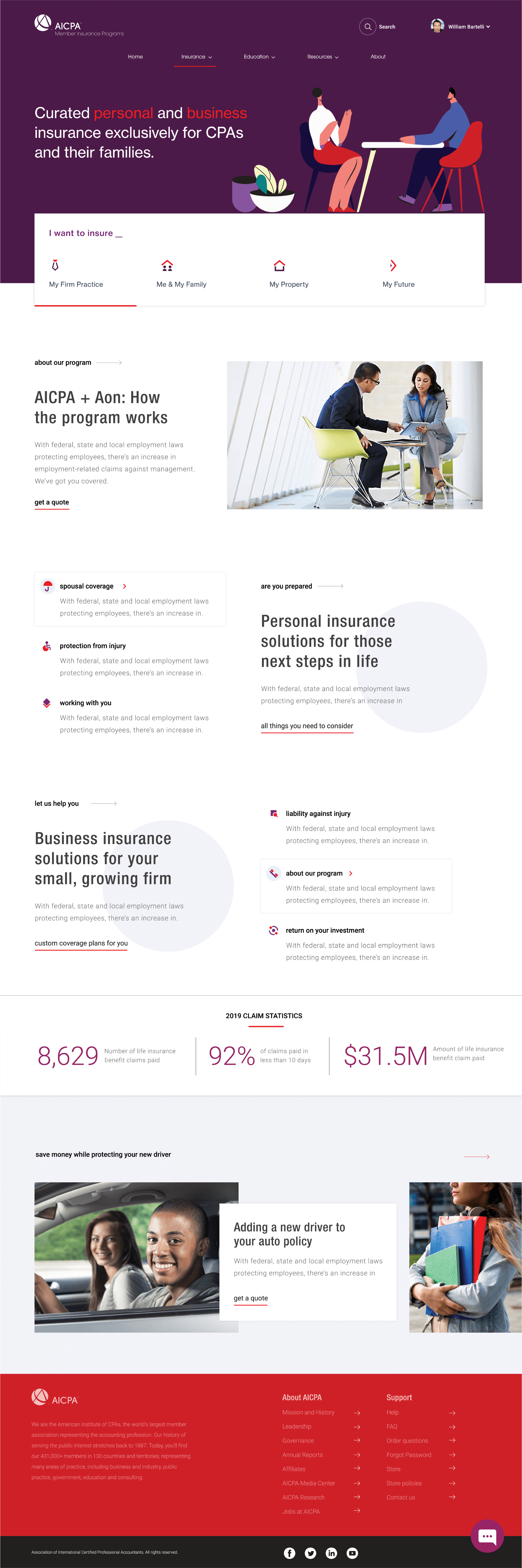
The Final Design Concept

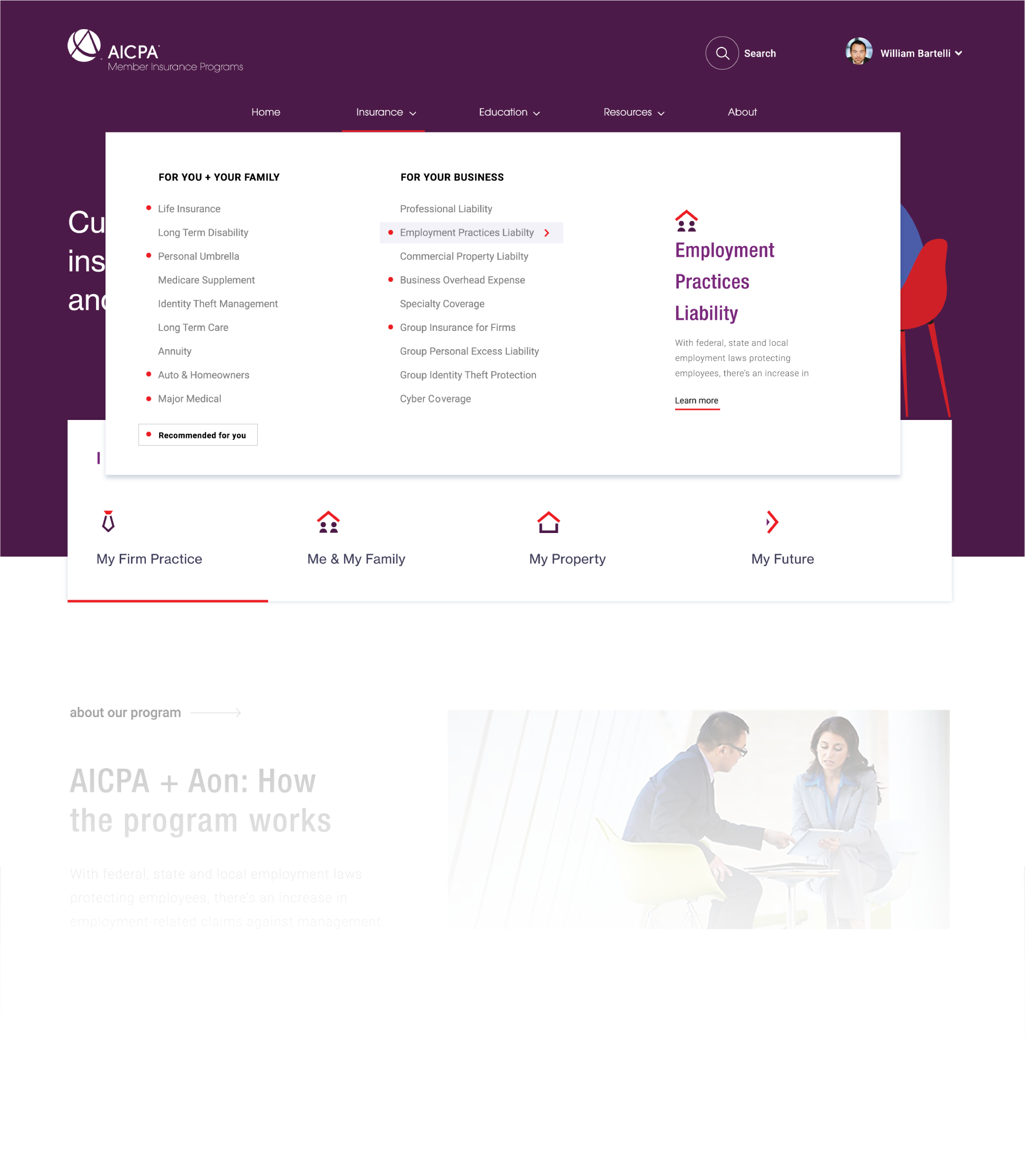
The Dropdown Concept

Thank You.

Previous Project Next Project